

History of Otepää
The earliest traces of human activity in the Otepää area date back to the 6th century BC. The oldest archaeological finds from Otepää Linnamägi also originate from this period. Permanent settlement has existed here since the 6th–7th centuries AD. In written sources (the Novgorod Chronicles), Otepää was first mentioned in 1116, when a bear-head-shaped stronghold had been established here. Otepää developed into the second fortified centre of the ancient Ugandi county alongside Tartu.
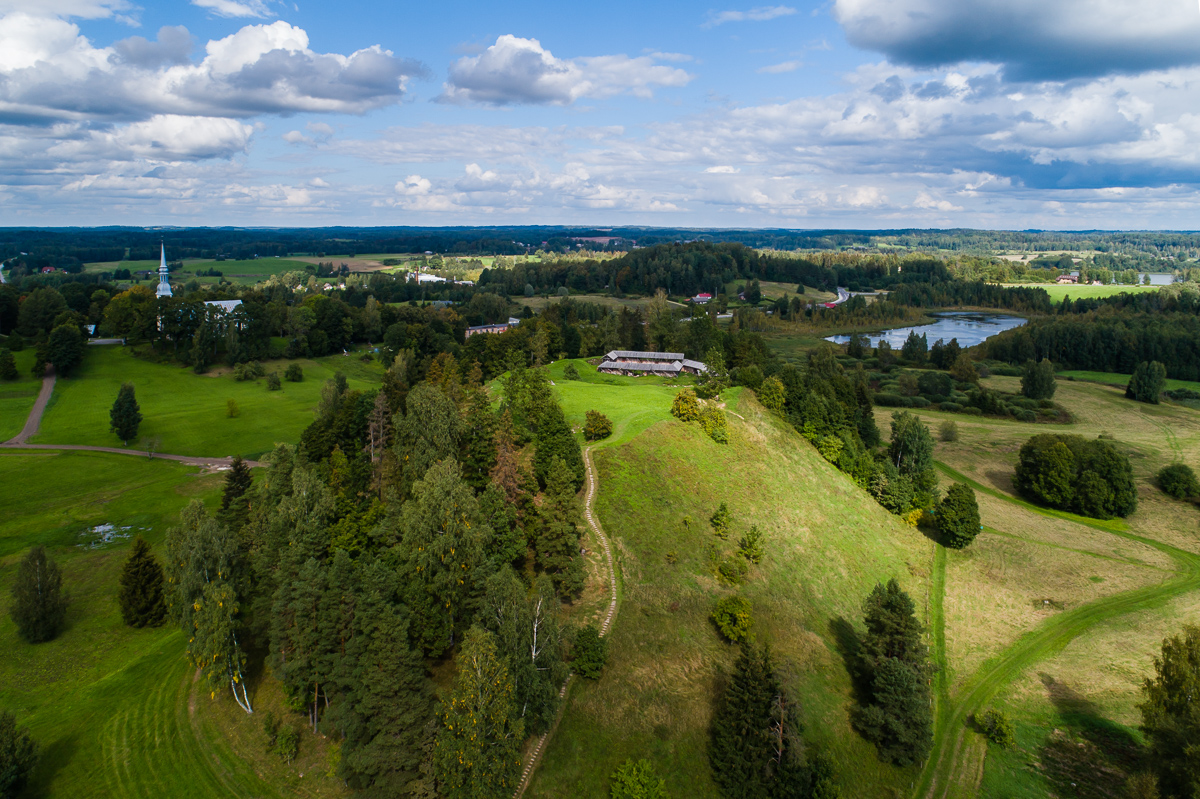
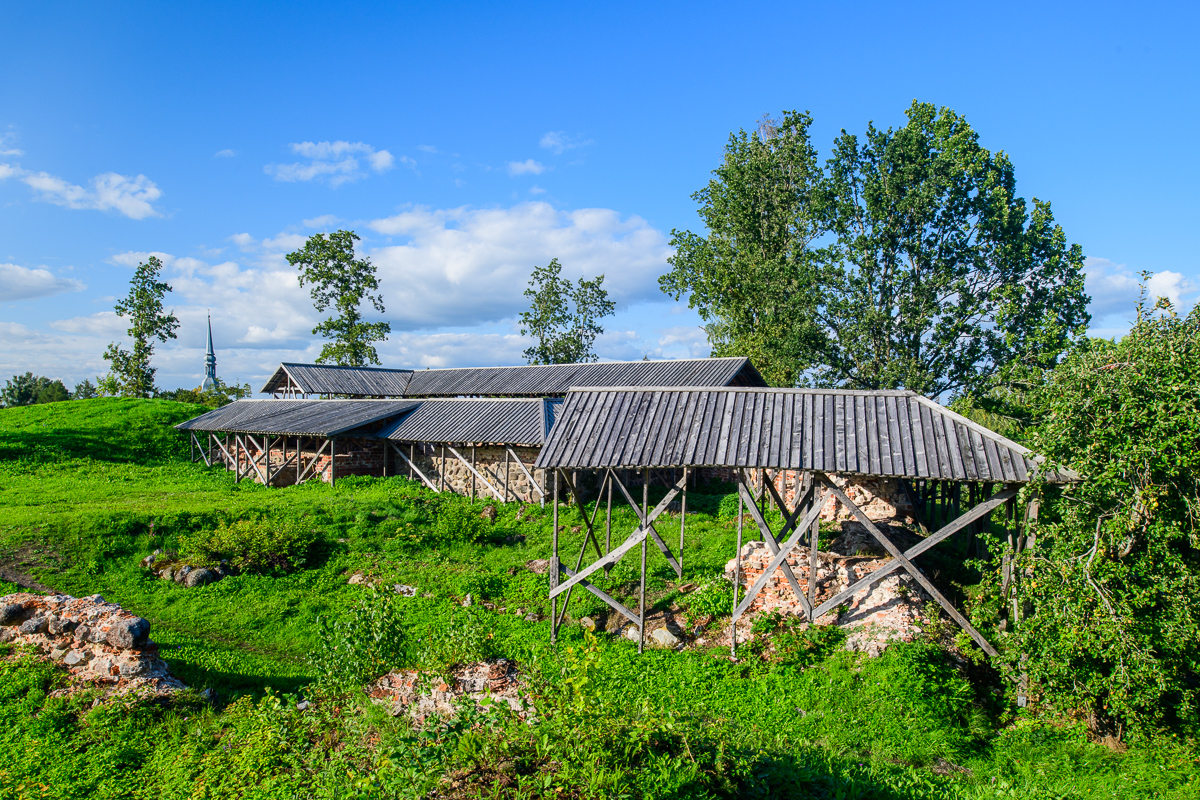
The sacking of Otepää and the burning of the stronghold in 1208 marked the beginning of the ancient Estonians’ struggle for freedom against foreign conquerors (German, Danish and Swedish forces). Otepää stronghold was finally subdued in 1224, after which a bishop’s castle was built here — the first stone fortress in all of Estonia. Its remains have survived to this day.
Over the centuries, Otepää and its surroundings have suffered greatly from the activities of invading forces. This began during the ancient freedom fights and continued with conflicts between the bishopric and the Teutonic Order at the end of the 14th century, when the bishop’s castle on Linnamägi was also burned. Destruction continued during the Great Northern War, when in 1702 Russian troops ravaged the entire Otepää area and burned both the church and the parsonage. The most tragic days for Otepää came in August 1944, when most of the town was destroyed during the fighting between the warring sides.
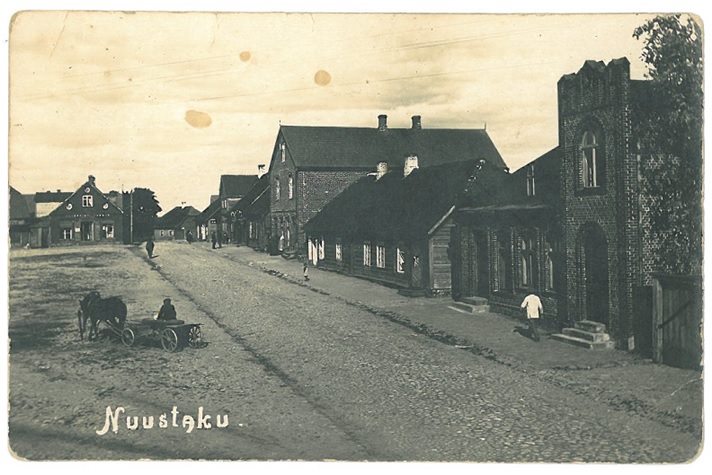
According to local folk memory, at the beginning of the 19th century the hill area beneath present-day Otepää town was covered with hazel forest where people gathered nuts. The name Nuustaku is believed to have originated from the German word Nusstag – “nut day”.
In 1862, the settlement officially received the name Nuustaku, which was replaced with the historical name Otepää only 60 years later (1922). Otepää was granted town rights on 1 April 1936 by Head of State Konstantin Päts. Grand celebrations were held — government offices and schools were closed, a public gathering took place in the market square, and both filmmakers and journalists were present.
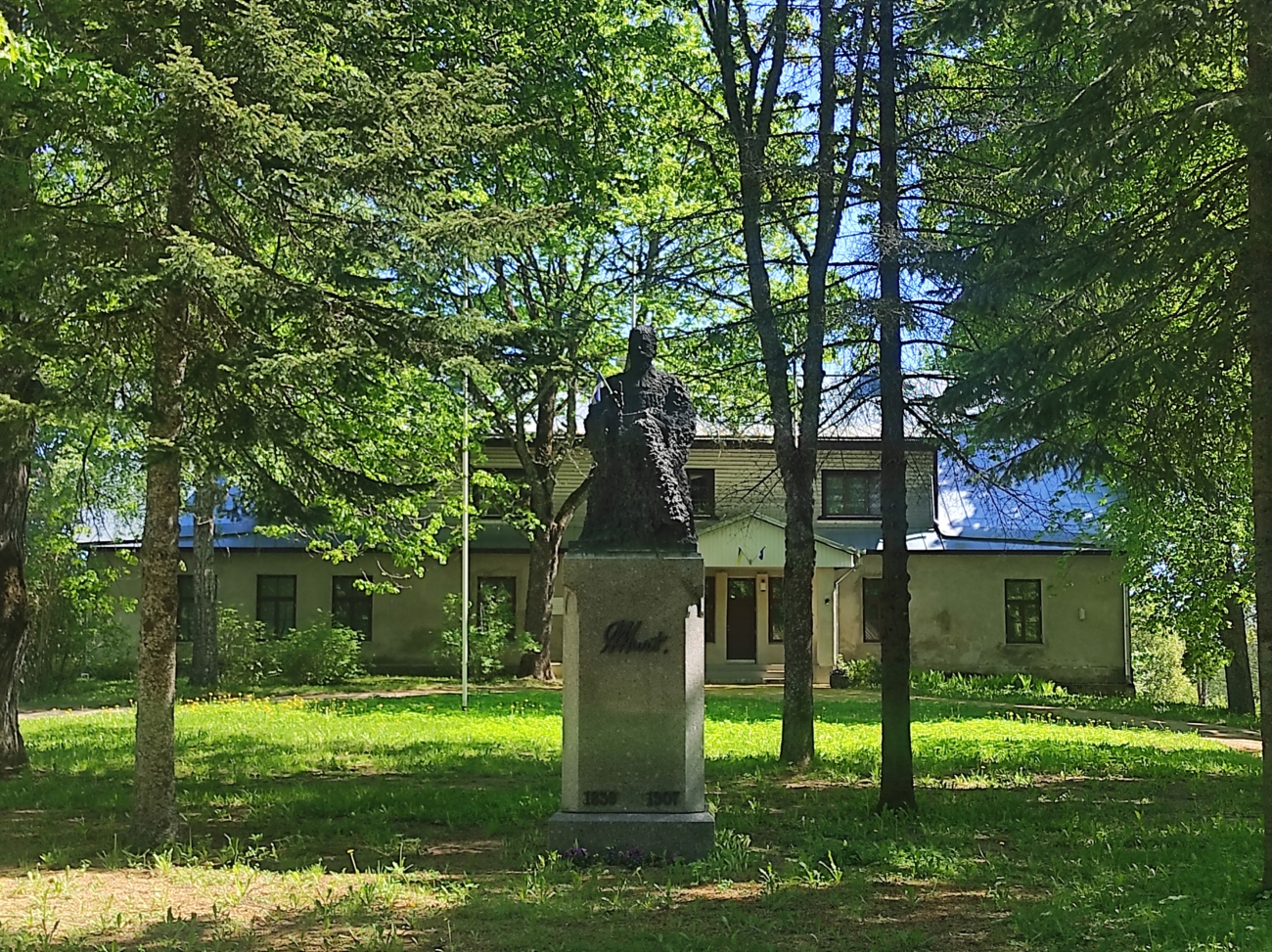
The people of Otepää have long been known for their appreciation of education. The first village school began operating here in 1686, when one of B. G. Forselius’ Tartu seminary graduates started work in Otepää. In Kanepi, the first parish school in Estonia was founded in 1805. Following this example, a similar second-level parish school was established in Otepää in 1808. It is known to have been the second parish school in Estonia. The quality and economic situation of Otepää parish schools improved significantly during the time Jakob Hurt served as pastor here (1872–1880). While working in Otepää, Jakob Hurt held two presidential roles — in the Estonian Literary Society and in the Main Committee for founding the Estonian Alexander School. Here he developed and launched the grand plan for collecting Estonian folklore.
In 1906, an education society was established in Otepää. From 3 October 1907 it successfully launched an Estonian-language progymnasium, which at the time was the third of its kind after Tartu and Pärnu, and the first in rural Estonia. The school became a full gymnasium in 1919.
Otepää has been connected with many notable events and initiatives whose importance has extended across Estonia and perhaps even beyond:
- In 1841, local peasants staged an uprising against the manor lord, known as the “Pühajärve War”;
- In 1876, the Estonian Farmers’ Society organised the first Estonian agricultural exhibition near Otepää church;
- In 1884, the blue-black-white flag of the Estonian Students’ Society was consecrated in the Otepää parsonage. Memorial plaques were unveiled on the church wall 50 years later (1934). The plaques were destroyed on communist orders in 1950 and restored in 1989;
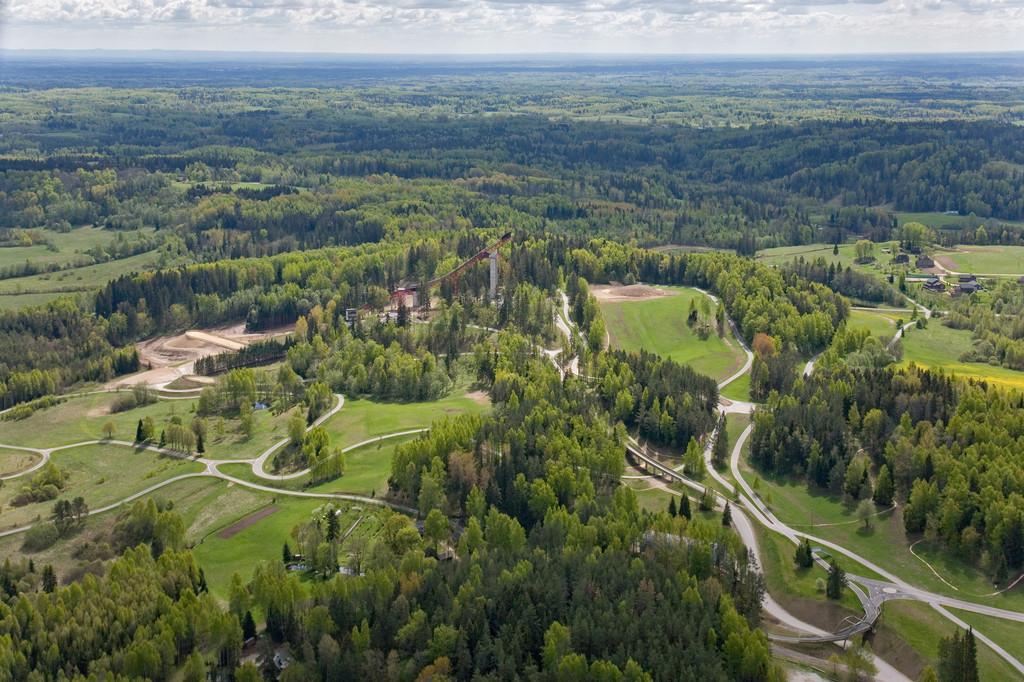
- In 1929, the Estonian Cross-Country Skiing Championships were held in Otepää for the first time. The first all-Union ski competitions took place here in 1958;
- On 10 July 1941, the occupying power in Otepää changed. To mark the occasion, local entrepreneurs printed and issued the Otepää postage stamp, which remained in circulation until mid-August 1941. Today it is a prized item among philatelists;
- In 1957, the drama group of Otepää Cultural Centre was awarded the title of People’s Theatre, the second in Estonia. Its chief director was Kalju Ruuven, who remained active until his death in 1996;
- In 1959, the Otepää Boarding School was established and in 1972–1975 it was developed into a nationwide ski school.